
From planning to delivery: insights from the Gippsland New Energy Conference 2026
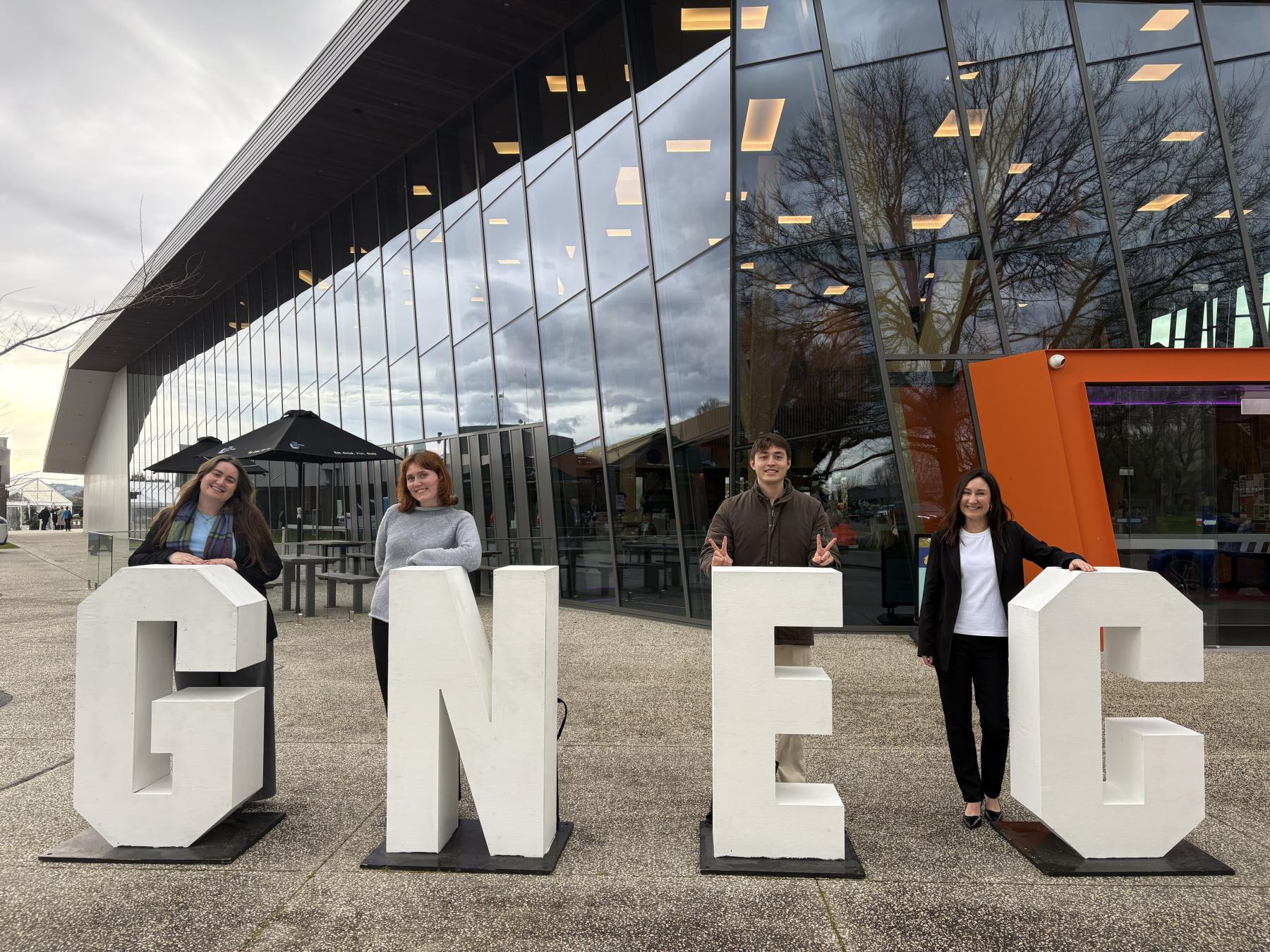
The Gippsland New Energy Conference 2026 brought together industry leaders, government representatives, investors, researchers and community stakeholders. There was a spotlight on the region's role in Australia's energy transition and economic future against a backdrop of significant change across the energy sector.
Conversations throughout the conference focused on a shared challenge of how to ensure the transition underway delivers lasting benefits for workers, businesses and communities across Latrobe and the broader Gippsland region.
In his keynote address, Net Zero Economy Authority (NZEA) CEO David Shankey emphasised that the transition is not only about changing energy systems. The transition is also about creating new opportunities for regional economies and ensuring communities are supported through change. The Latrobe and broader Gippsland region continues to possess a highly skilled workforce, established industrial infrastructure and strategic land assets. Shankey reiterated that the challenge is about converting these strengths into long-term economic opportunities that can sustain regional prosperity for decades to come.
Supporting workers through change
A major focus of the conference was the future of workers employed in industries undergoing transformation.
With the planned closure of Yallourn Power Station in 2028, workforce transition planning has become an immediate priority. The closure is expected to directly affect hundreds of workers and have broader impacts across local supply chains and supporting businesses.
In Shankey’s address, he said NZEA's ‘practical focus is on identifying future opportunities for those workers who will lose their job when Yallourn closes in mid-2028'.
NZEA is working with employers, unions, governments and regional stakeholders to ensure affected workers have access to the support, information and pathways they need to transition into new opportunities. This includes work underway through the proposed Energy Industry Jobs Plan as well as initiatives designed to connect workers with employers looking to recruit skilled tradespeople, technicians, operators and engineers.
The message throughout the conference was clear: the region's workforce is one of its greatest assets and retaining skills within the region will be critical to future success.
NZEA staff had the opportunity to connect with many regional stakeholders and hear directly from project proponents about exciting progress that has been made in the region. Throughout the conference, a notable focus was moving from transition planning to action, with extended project lead times now shifting into preparatory works for major regional infrastructure.
Looking to the future
One of the strongest themes from the Gippsland New Energy Conference 2026 was the importance of moving from planning to delivery.
The opportunities are significant, but so is the work required to realise them. Supporting workers, attracting investment, developing strategic precincts and fostering new industries will require sustained collaboration across governments, businesses, educational institutions and communities.
Shankey said, ‘the real test is not about just one project, but how actions can unlock a diversity of opportunities to strengthen the region's economy. We need a quiver of arrows not a silver bullet.’
For Latrobe-Gippsland, the transition represents both a challenge and an opportunity, a chance to build on a proud energy legacy while creating the foundations for the region's next chapter of economic growth.
As discussions throughout the conference demonstrated, the region is not starting from scratch. Rather, it is building on generations of industrial capability, community resilience and leadership to help shape a secure future.