The role of green metals in the energy transition
The Australian Government has identified green metals as a priority sector for Australia’s transition to a net zero economy. As demand grows for the technologies and infrastructure needed to support a lower-emissions future, producing metals using cleaner energy and low-carbon production processes will become increasingly important.
Australia can become a world leader in green metals production by leveraging our abundant natural and renewable resources and world-class research and skills. Growing Australia’s green metals industry will support Australia’s and the world’s clean energy transition, strengthen our industrial and economic resilience, and create new manufacturing, investment and export opportunities.
Frequently asked questions
What are green metals?
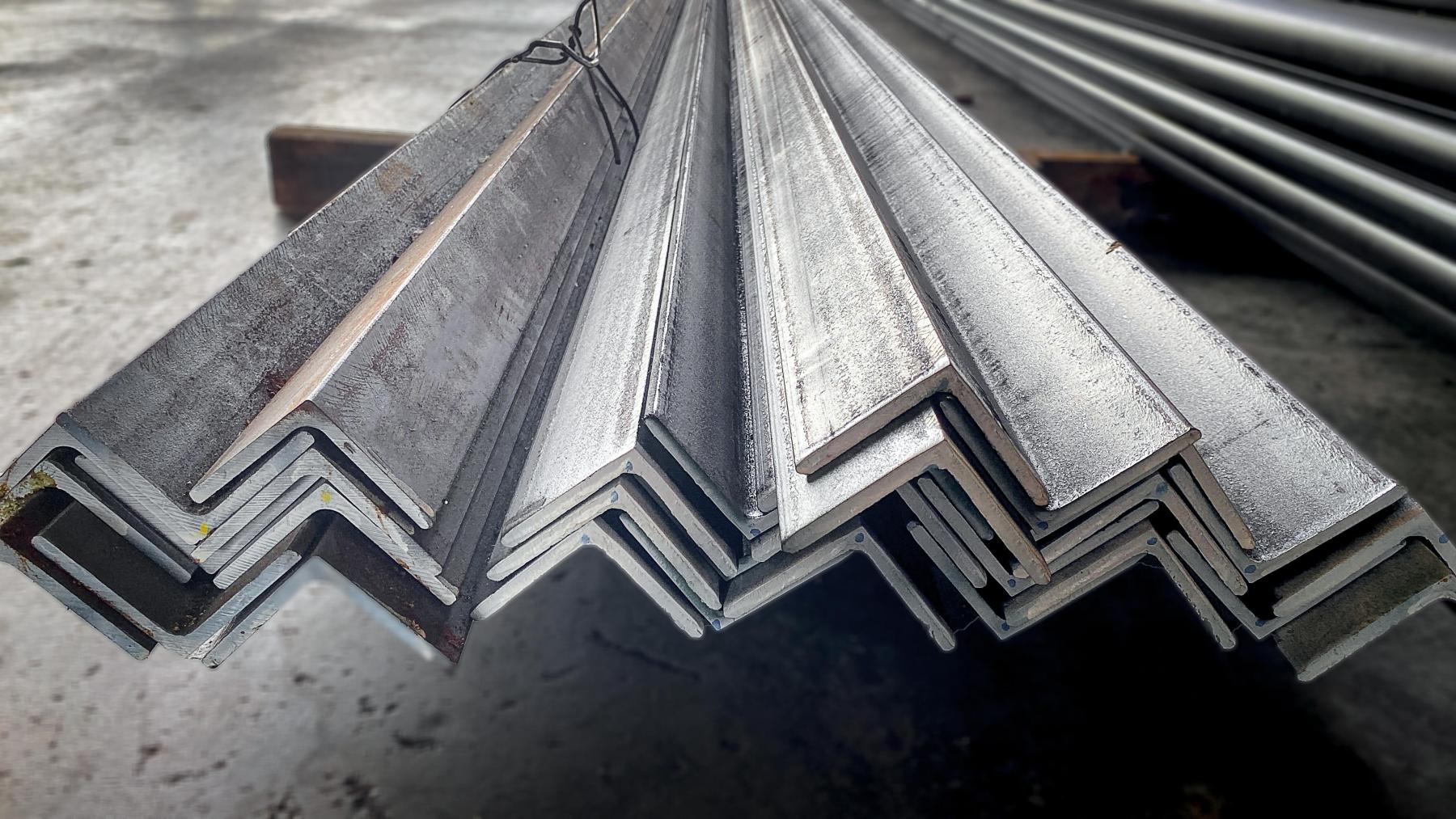
Green metals are defined as iron, steel, alumina and aluminium, manufactured with low carbon emissions, often by using renewable energy and lower emissions inputs.
Why do green metals matter?
By decarbonising metal production, Australia can make a significant contribution to reducing global emissions. According to the International Energy Agency (2025), steel production accounts for 7 to 8% of direct global carbon emissions each year. Meanwhile, the aluminium sector accounts for around 3% of direct industrial global emissions.
Moving towards renewable energy, new production technologies, greater energy efficiency and recycling helps reduce emissions across the metals supply chain.
Green metals are a priority under the Future Made in Australia agenda.
How is the government investing in green metals?
The Australian Government is making targeted investments to support the development of the green metals industry.
Green Iron Investment Fund: $1 billion to support the development of commercial-scale green iron facilities, with $500 million allocated for early-mover projects across Australia and $500 million for the transformation of the Whyalla Steelworks.
Future Made in Australia (FMiA) Innovation Fund: $750 million to support pre-commercial innovation, demonstration and deployment of green metals technologies, administered by ARENA.
Green Metals Innovation Network: $10 million for CSIRO, in partnership with Heavy Industry Low-carbon Transition Cooperative Research Centre (HILT CRC), to establish the Green Metals Innovation Network. The network will accelerate domestic and international industry-research collaboration on testing, validating and commercialising green metals technologies.
International Engagement for Green Metals Standards: $1.5 million for Standards Australia to deliver the International Engagement for Green Metals Standards program, with the International Organization for Standardization (ISO), relevant technical committees, and Australian industry. The program aims to influence credible frameworks that can enable industry certification, competitiveness and interoperability in global markets.
Scrap steel as part of the transition
Recycling scrap steel also has a role to play. Increasing the use of processed scrap steel in an electric arc furnace or a blast furnace – basic oxygen furnace can significantly reduce the carbon-intensity of steelmaking. This is particularly true when coupled with the use of renewable energy. The OECD (2024) has found that increasing scrap use is essential for continued steel industry decarbonisation.
Green metal projects in NZEA priority regions
Generation Steel is a green steel project located in Collie, Western Australia. It will deploy electric arc furnace technology to produce 450,000 tonnes of ultra-low emissions steel annually using Australian recycled scrap steel and renewable energy. The project has received funding from the Western Australian Government. It is forecast to create around 500 jobs during construction and 250 ongoing positions as the region transitions away from coal.
In the Hunter, Greensteel Australia plans to construct a green steel mill on the former BHP steelworks site in Newcastle. The new mill will deploy electric induction furnace technology to produce up to 600,000 tonnes of finished steel a year for the construction and energy sectors. This will reduce the sectors reliance on imported steel. The mill will employ over 200 full-time staff, with more jobs on offer during its construction. The plant is expected to be in operation in January 2028.
These projects highlight the important role regional communities play in building sovereign manufacturing capability, strengthening supply chains and supporting Australia’s transition to a net zero economy.